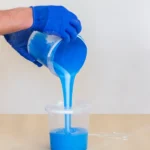

- Creative journeys from beginner levels to mastery through spinking techniques await
- Understanding the Core Principles of Spinking
- The Role of Viscosity in Spinking
- Exploring Different Spinking Techniques
- Combining Techniques for Unique Effects
- Materials and Tools for Spinking
- Choosing the Right Surface
- Advanced Spinking Techniques and Applications
- The Future of Spinking: Trends and Innovation
Creative journeys from beginner levels to mastery through spinking techniques await
The world of creative expression is constantly evolving, with artists and designers always seeking new techniques to push boundaries and achieve unique effects. Among these emerging methods, spinking has gained considerable attention for its ability to transform ordinary materials into visually stunning and intricate works of art. This process, while seemingly complex, is surprisingly accessible to beginners, offering a rewarding journey from novice exploration to advanced mastery.
At its core, spinking involves manipulating a medium, often a liquid or semi-solid substance, through controlled movements to create patterns, textures, and forms. It's a technique that bridges the gap between painting, sculpture, and digital art, allowing for a high degree of customization and artistic freedom. The versatility of spinking means it can be applied to a wide range of projects, from decorative art pieces to functional designs, appealing both to hobbyists and professional creators.
Understanding the Core Principles of Spinking
Before delving into the techniques, it’s crucial to grasp the foundational principles that underpin successful spinking. These principles revolve around understanding the properties of your chosen medium – its viscosity, density, and drying time. The type of tool used to manipulate the medium also plays a pivotal role; brushes, palette knives, airbrushes, and even specialized spinking tools each offer unique control and texture possibilities. Experimentation is key in discovering how different combinations of medium and tools interact to produce the desired effects. Consider the surface you’re working on as well; its texture and absorbency will significantly impact the final outcome. A porous surface will behave very differently than a smooth, non-absorbent one, requiring adjustments in technique.
The Role of Viscosity in Spinking
Viscosity, or the thickness of the medium, is arguably the most important factor. A highly viscous substance will hold its shape and allow for crisp, defined lines and textures. Lower viscosity mediums are ideal for blending, layering, and creating softer, more diffused effects. Many spinking artists utilize additives – thickeners or thinners – to fine-tune the viscosity to their precise requirements. Learning to accurately assess and adjust the viscosity of your medium is a fundamental skill that unlocks greater control and artistic expression. This often involves careful observation of how the medium flows, spreads, and reacts to the tools being used.
| Medium | Viscosity Level | Typical Applications |
|---|---|---|
| Acrylic Paint | Variable (depending on dilution) | Detailed work, layering, textures |
| Epoxy Resin | High | Encapsulation, casting, durable surfaces |
| Fluid Art Acrylics | Low to Medium | Flowing patterns, blending, abstract designs |
| Oil Paint | Variable (depending on oil/solvent ratio) | Rich colors, blending, impasto techniques |
As you can see from the table above, the possibilities are wide ranging and it's important to understand how the properties of different mediums will affect the outcome of your project. Taking the time to understand these subtle yet significant variations will elevate your spinking skills.
Exploring Different Spinking Techniques
Once familiar with the basics, the real fun begins – exploring the diverse range of spinking techniques. Some popular methods include pouring, swirling, dripping, and airbrushing. Pouring involves releasing the medium onto the surface in a controlled manner, allowing it to flow and intermingle, creating organic patterns. Swirling uses a tool to manipulate the medium in circular motions, forming dynamic shapes and textures. Dripping creates random, yet often visually compelling, effects reminiscent of abstract expressionism. Airbrushing provides unparalleled control and precision, enabling the creation of smooth gradients and intricate details. Each technique offers a unique aesthetic and requires a different skill set to master, so don't be afraid to experiment and find what resonates with your artistic style.
Combining Techniques for Unique Effects
The true power of spinking lies in its adaptability and the potential for combining different techniques. For example, you might begin with a pouring base to establish a foundational layer, then use swirling to create focal points and add dynamic movement. Dripping can then be employed to introduce textural contrasts, and finally, airbrushing can refine details and create subtle shading. This layered approach allows for incredibly complex and nuanced results. Consider the concept of complementary techniques – those that enhance and build upon each other to create synergistic effects. This hybridization of methods allows for a level of innovation and personalization that sets spinking apart from more traditional art forms.
- Pouring: Excellent for creating base layers and abstract backgrounds.
- Swirling: Ideal for dynamic movement and texture.
- Dripping: Adds random, organic details.
- Airbrushing: Perfect for precision, gradients, and refining details.
Experimentation with these various techniques and their combinations is crucial for uncovering your unique artistic voice within the realm of spinking. Don’t be afraid to break the rules and explore unconventional approaches.
Materials and Tools for Spinking
The beauty of spinking is its accessibility. While specialized tools can enhance the experience, many materials can be found around the house. Essential materials include the chosen medium (acrylic paint, epoxy resin, inks, etc.), a suitable surface (canvas, wood, glass, metal), and tools for manipulation. Brushes come in various shapes and sizes, each suited to different techniques. Palette knives are excellent for mixing and applying thick layers of medium. Airbrushes require an air compressor and a good understanding of spray control. Beyond these basics, consider tools like silicone spatulas, combs, and even everyday objects like toothpicks or sponges to create unique textures and patterns. Furthermore, always prioritize safety and use appropriate protective gear, such as gloves and masks, particularly when working with epoxy resins or other potentially hazardous materials.
Choosing the Right Surface
The surface you choose will dramatically impact the final aesthetic. Canvas provides a traditional texture, while wood offers a natural and rustic feel. Glass and metal offer smooth, non-porous surfaces that require different techniques. Consider the type of medium you’re using; porous surfaces like canvas will absorb more of the medium, while non-porous surfaces will allow it to flow more freely. Preparing the surface properly is also essential. Priming canvas will prevent the medium from sinking in and ensure even coverage. Cleaning and degreasing metal or glass will ensure proper adhesion. Experimenting with different surfaces will broaden your creative horizons and reveal unexpected possibilities.
- Prepare the surface (prime, clean, degrease).
- Select the appropriate medium for the surface.
- Choose tools based on desired effect.
- Practice safety precautions with materials.
Following these steps will ensure a smooth and successful spinking experience, allowing you to focus on expressing your creativity. Don’t hesitate to research and experiment with different materials and surfaces to discover what works best for you.
Advanced Spinking Techniques and Applications
As you progress, you can explore more advanced techniques like cell creation, fluid dynamics manipulation, and incorporating other art forms. Cell creation involves using additives to create bubble-like formations within the medium, resulting in a mesmerizing and organic aesthetic. Manipulating fluid dynamics allows you to control the flow and interaction of different colors and mediums, creating intricate patterns and gradients. Integrating spinking with other art forms, such as painting, sculpting, or digital art, further expands creative possibilities. Think about incorporating found objects, mixed media, or even digital enhancements into your spinking projects. This interdisciplinary approach can lead to truly innovative and unique artworks. The possibilities are truly limitless, and constantly evolving.
The Future of Spinking: Trends and Innovation
The world of spinking is dynamic and constantly evolving, driven by innovation and a growing community of artists. Emerging trends include the use of eco-friendly and sustainable materials, the integration of digital technology (such as generative art algorithms), and the exploration of new mediums and techniques. We’re seeing a growing trend towards bio-art, where spinking is used to manipulate living organisms or biological materials in artistic ways. Furthermore, the rise of online platforms and social media has enabled artists to share their work, collaborate, and learn from each other, fostering a vibrant and collaborative community. This collaborative spirit is driving the development of new tools, techniques, and applications for spinking, promising an exciting future for this captivating art form. Artists are beginning to utilize 3D printing in conjunction with spinking, creating complex, layered pieces that are both visually arresting and structurally sound.
The ongoing exploration of material science is also proving pivotal, with researchers developing new mediums specifically designed for spinking, offering enhanced control, durability, and visual effects. This continual refinement of tools and techniques will undoubtedly unlock even greater creative potential and further solidify spinking’s position as a vibrant and progressive art form.